Finding Your Gardening Zone and Why It Matters
Starting your first garden can feel overwhelming (trust me, I get it), so where do you even start? One of the very first things every beginner gardener should know is their garden zone (aka plant hardiness zone). This applies to anything you might plant, from seeds to bulbs to herbs to shrubs. You need to know your garden zone- especially if you’re fond of keeping those plants alive. Understanding your zone helps you choose the right plants, know the best planting times, and avoid unnecessary frustration (or wasted money). I’ve learned this the hard way.
Two years ago, we took a short trip up to the mountains and stumbled across a nursery and purchased some beautiful mountain laurel to bring home. We were only a few hours away, and the climate was just slightly cooler- so we thought, “hey, let’s give it a shot.” And let me tell you, those mountain laurel put on a show in the spring. They were beautiful… covered in dark pink blooms. But the joy was short-lived… summer rolled around, and we had a very hot, dry summer in Georgia. They didn’t survive. We are zone 8, and the laurel was intended for zone 7. I learned the hard way that your planting zone matters; even a small difference can impact what survives and what thrives.
What Is a Garden Zone?
Simply put, a garden zone (USDA hardiness zone) is a map of average winter temperatures that tells you which plants are most likely to survive where you live. Zones range from 1 (coldest) to 13 (warmest), and knowing your zone helps you choose plants that will thrive rather than struggle—or worse, fail.
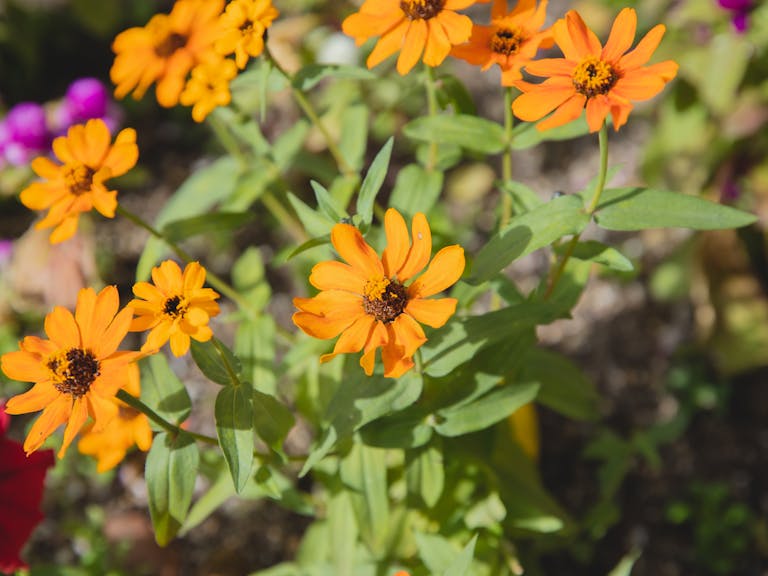
Your zone affects everything from perennials, bulbs, shrubs, and trees to even beginner-friendly flowers like zinnias, coneflowers, and black-eyed Susans. It’s one of the first pieces of information every new gardener should have before buying seeds or plants.

A little story from my garden:
I love watching my hydrangeas bloom each summer with big, soft blue flowers. Even though they were already established when I moved in, I’ve learned how my Zone 8 climate affects their growth and care. For example, the warm winters mean they sometimes start leafing out earlier than expected, so I adjust my pruning and mulching to protect them during late cold snaps. Paying attention to my zone helps me keep them looking healthy and vibrant year after year. They really are beautiful!
Even plants that feel “easy” for beginners have little quirks like this. Knowing your zone takes the guesswork out of gardening and makes it so much easier to enjoy your garden’s blooms.
Why Knowing Your Zone Matters for Beginners
Understanding your garden zone can save you time, money, and frustration — especially when you’re just starting out. Here’s why it matters:
1. Plant Selection
Knowing your zone helps you choose plants that are suited to your climate. Even beginner-friendly flowers, perennials, and shrubs will thrive when you pick varieties recommended for your zone. In my Zone 8 garden, hydrangeas, hostas, and ferns do really well because they’re suited to our warm winters and hot summers. Choosing the right plants from the start sets you up for a successful garden.
2. Timing
Your zone tells you the best months to plant seeds, bulbs, and perennials. Plant too early, and frost could damage young growth; plant too late, and your plants may not have time to establish before winter. Last year, we had a really mild Georgia winter, and my established daffodils bloomed earlier than usual. Luckily, they were already established, but if I’d planted new bulbs later in the season, I’m not sure they would have bloomed in time. It was just a reminder that knowing my planting zone and timing for planting matters… alot.
3. Care
Different zones require different care strategies. You might need to adjust watering, fertilizing, or winter protection depending on your average lows. August is typically a really hot month, so I find myself watering a little extra. Paying attention to your zone ensures your plants stay healthy.
How to Find Your Garden Zone
If you’re new to gardening, figuring out your garden zone is one of the first steps to success. It’s easier than you might think! Here are a few ways to find out:
1. Online Maps
The easiest way is to check the official USDA Plant Hardiness Zone Map. You can view it online to see exactly where you fall and even click on your state or county for more details.

Don’t let the colors confuse you — they’re just showing which plants will be happiest where you live!
2. Local Resources
Your county extension office or nearby garden centers are great resources. They can tell you your zone and even recommend plants that do well in your area. My county extension office even offers classes. Plus, you might get tips that are specific to your microclimate, like shade patterns, soil types, or local pests.
3. Free Website Resources
There are several gardening websites that automatically identify your zone based on your zip code. This can be a quick, handy option if you want to check from your phone while out in the garden.
- USDA Plant Hardiness Zone Map: The official source. Enter your zip code to see your zone and get detailed info.
- National Gardening Association: Provides the USDA map and a zone finder tool.
- Arbor Day Foundation: Offers a zip code lookup tool for finding your zone.
Tip for Beginners:
Once you know your zone, you can plan your planting schedule and choose the right plants for your climate. Pairing the map with a little local advice is the best way to start confidently!

Applying Your Zone Knowledge
Once you know your garden zone, you can start putting that knowledge into action:
1. Adjust Your Planting Schedule
Knowing your zone helps you figure out the best time to plant seeds, bulbs, and perennials. Even small shifts in timing can make a big difference, like planting daffodils early enough to enjoy their blooms in a mild winter (like we had last year!) or waiting a little longer to protect tender plants from a late cold snap.
2. Choose Plants Recommended for Your Zone
Select plants that are well-suited to your climate. Your zone acts as a guide to help you pick flowers, shrubs, and trees that will thrive with minimal stress. This step can save you from disappointment and help your garden flourish more quickly.
3. Take Note of Microclimates in Your Garden
Not every spot in your garden is exactly the same. Pay attention to sunny slopes, shady corners, windy areas, or spots that tend to stay wetter or drier than others. Your zone gives you the general picture, but microclimates let you make smart, specific choices for each area of your yard.
Next Steps for Beginners
Now that you know your zone and how it affects planting, you’re ready to start planning your garden! Be sure to read Beginner Gardening 101 for more helpful tips.