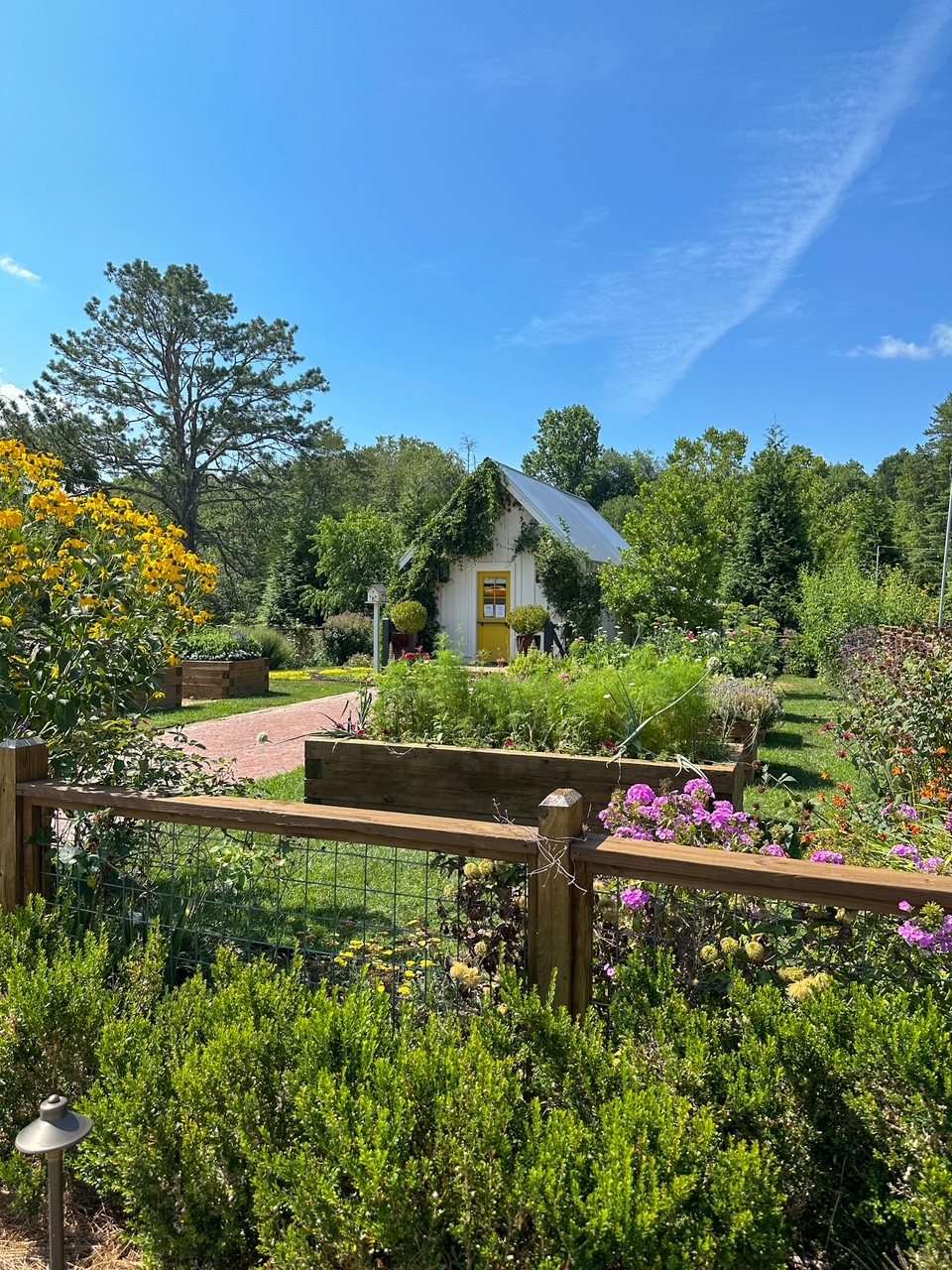
How to Start a Cottage Garden: Design, Plants, & Layouts for Beginners
Let’s get this out of the way first: cottage gardens look wild and whimsical — like they just happened — but they don’t actually happen by accident.
Even the most romantic, overflowing, storybook garden has a little structure behind the scenes. The good news? You don’t need to be a master gardener, a designer, or someone who knows plant names off the top of their head to create one. Thank goodness, am I right?
If you’ve been dreaming (like me) of soft layers of flowers, bees buzzing, herbs spilling over edges, and a garden that feels cozy, lived-in, and full of life— this is your beginner-friendly guide. No pressure. No intimidation. Just a simple plan to get started.
What Actually Makes a Garden a Cottage Garden?
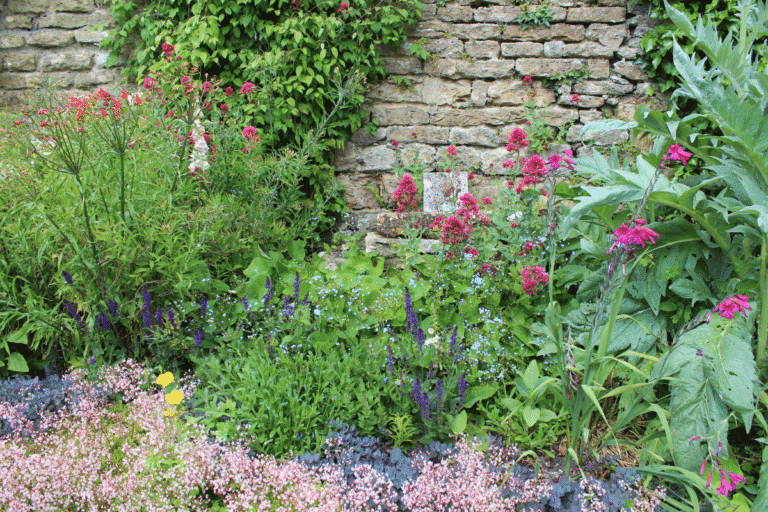
A cottage garden isn’t about perfection or neat rows. That’s why I personally love it. It’s about abundance, texture, and pretty plants that feel like they’ve always belonged there.
You’ll usually see:
- Flowers layered from tall to short
- Curves instead of straight lines
- Herbs mixed right in with flowers
- Lots of color, movement, and variety
- An informal, slightly wild feel
Think structure + softness. Intentional design paired with plants that are allowed to do their thing.
And this is why cottage gardens are so great for beginners — they’re forgiving. Nothing needs to be exact, and a little chaos actually works in your favor.


Step 1: Start with a Simple, Flexible Layout
Before you plant anything, take a look at your space.
Cottage gardens tend to work best when they’re:
- Full beds instead of scattered single plants
- Designed with gentle curves
- Layered and slightly overflowing
The easiest place to start is a layered border:
- Tall plants in the back
- Medium-height plants in the middle
- Short or trailing plants in the front
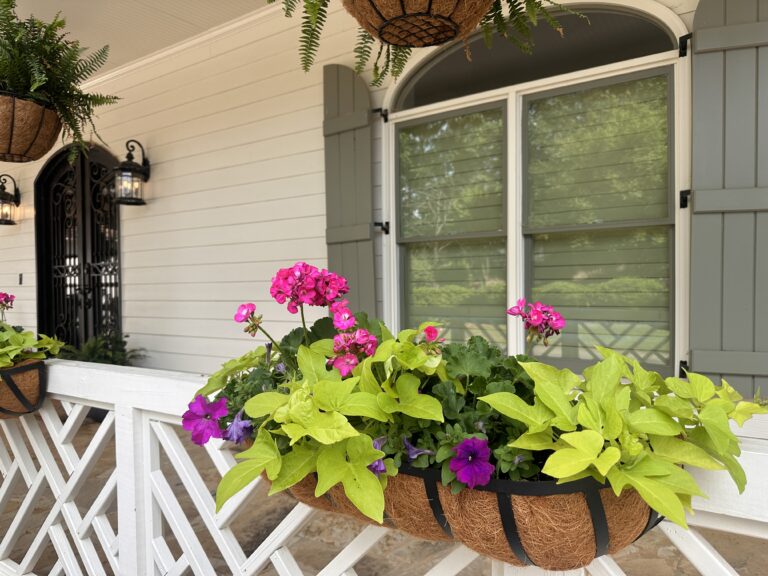
This works beautifully along a fence, around a patio, framing a walkway, softening the edge of your home, or even something small like a container or porch rail planter.
Plant in Drifts, Not Dots
One of the biggest differences between a cottage garden and a random flower bed is repetition.
Instead of planting one of everything, plant in groups of 3, 5, or even 7 of the same plant. This creates a full, cohesive look.

Think:
- A drift of tulips
- A ribbon of lavender
- A cluster of peonies
- A sweep of thyme or rosemary
Your garden will look more intentional — and your future self will thank you when it fills in.
Mix Annuals, Perennials, and Bulbs
This is the secret to a garden that looks good all season long.
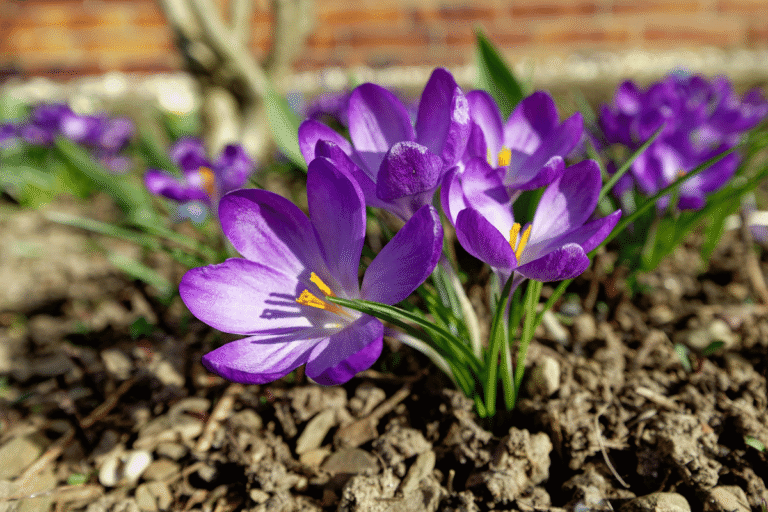
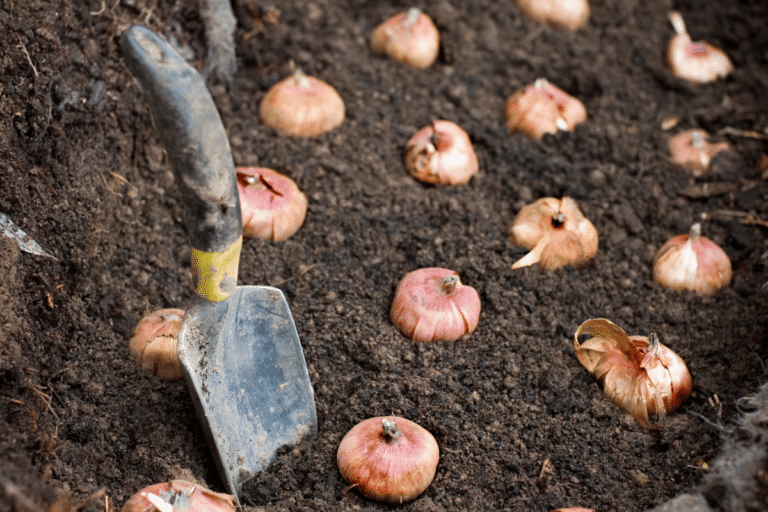
- Bulbs bring early spring color (tulips, daffodils, crocus, grape hyacinth)
- Perennials form the backbone of the garden
- Annuals fill gaps and keep things colorful all summer
When these three work together, there’s always something happening.

Step 2: Choose Beginner-Friendly Cottage Garden Plants
You do not need fussy plants to get that cottage look. In fact, easier plants usually look better because they grow confidently.
Easy Cottage Perennials
- Peonies
- Salvia
- Yarrow
- Catmint
- Coneflower
- Black-eyed Susan
- Daylily
- Hosta (for shade gardens)
These plants are reliable, long-lived, and happy to come back year after year.
Cottage Annuals That Add Charm
- Zinnias
- Cosmos
- Snapdragons
- Sweet peas
- Alyssum
- Marigolds
Annuals are where you can play with color and try new things without commitment.
Herbs That Belong in a Cottage Garden
Herbs are a cottage garden secret weapon. They add fragrance, texture, and usefulness — and they don’t mind being mixed in.
- Rosemary
- Basil
- Thyme
- Oregano
- Chives
Plus, they make the garden feel cozy and lived-in in a way few other plants can.

Step 3: Layer Plants for a Lush, Overflowing Look
Cottage gardens rely on layers to feel full instead of flat.
Think vertically:
- Tall plants: hollyhock, delphinium, foxglove
- Medium plants: salvia, phlox, daisies
- Low growers: creeping thyme, lamb’s ear, alyssum
Allow plants to lean, weave, and overlap slightly. That softness is part of the charm.
Don’t Forget Texture
Texture is what makes a cottage garden feel alive.
Mix:
- Ferny foliage
- Broad leaves
- Wispy grasses
- Fuzzy leaves like lamb’s ear
- Airy flowers like cosmos or dill
Even when nothing is blooming, texture keeps the garden interesting.
Step 4: Add a Little Structure (Yes, Even in a “Wild” Garden)
Without a few anchor points, a cottage garden can start to feel messy instead of charming.
Simple structure helps everything else shine.
Consider adding:
- A trellis for climbing roses or clematis
- A rustic obelisk with sweet peas
- A stone birdbath
- A curved path with thyme spilling over
- A low fence or edging
These elements guide the eye and make the garden feel settled and intentional.
Step 5: Plan for Year-Round Interest
A good cottage garden doesn’t disappear when the flowers fade.
To keep things interesting through the seasons, include:
- Evergreen shrubs for winter structure
- Ornamental grasses
- Seed heads you can leave for birds
- Spring bulbs tucked beneath perennials
This gives your garden rhythm — something to look forward to in every season.
Step 6: Don’t Overthink It — Cottage Gardens Are Meant to Evolve
Your cottage garden will change every year. Plants will reseed. Others will outgrow their space. You’ll move things around and add more next season.
That’s not a problem — that is the garden.
Plant what makes you happy. Let things be imperfect. Enjoy the process instead of chasing a finished look.
If you want a garden that feels warm, welcoming, and full of life, you’re already doing it right.
Welcome to what might just become your favorite way to spend time outside.