Beginner Gardening 101: How to Start Your First Garden (Step by Step)
Your no‑fluff, real‑life guide to growing something beautiful.
So you’re ready to start a garden. Whether you’re dreaming about fresh herbs on your patio or picturing flower beds that feel cozy, colorful, and a little storybook-ish, I’m already proud of you.
Gardening is one of those hobbies that sneaks up on you — in the best way. One day you’re planting a basil plant “just to see,” and the next thing you know you’re outside every morning checking on things, talking to plants like they’re friends, and Googling things like why do my leaves look weird.
Ask me how I know.
Here’s the good news: starting your first garden does not have to feel overwhelming. You don’t need fancy tools, a huge yard, or years of experience. You just need a little direction, a few solid choices, and permission to learn as you go.
Let’s walk through this step by step — beginner‑friendly, realistic, and totally doable.

Step 1: Get Clear on Your “Why”
Before you head to the garden center and accidentally adopt twelve plants, pause and ask yourself one simple question:
What do I actually want from this garden?
Are you hoping for:
- Fresh herbs you’ll actually use?
- A cut‑flower patch for simple bouquets?
- A cottage‑style garden full of color?
- A low‑maintenance space that just makes you happy?
There’s no wrong answer here. Knowing your “why” keeps you focused — and keeps you from planting zucchini when what you really wanted was flowers.
And yes, “I just want to create something beautiful” absolutely counts.

Step 2: Learn Your Hardiness Zone (It Really Does Matter)
Your USDA hardiness zone aka garden planting zone tells you what plants can realistically survive where you live. Think of it as gardening reality‑check, not a limitation.
Once you know your zone, you can:
- Choose plants that actually thrive in your climate
- Plant at the right time
- Avoid wasting money on things that never stood a chance
- Start noticing microclimates in your own yard (shady corners, wet areas, windy spots)
This is the foundation of good gardening. Every single successful garden — vegetables, flowers, shrubs — starts here.
Step 3: Pick the Right Spot
Even the prettiest garden idea needs a practical location.
Look for:
- 6+ hours of sun for vegetables and most flowers
- Partial shade for shade‑lovers like hostas, ferns, and astilbe
- Good drainage so roots don’t sit in soggy soil
- Easy access to water because dragging a hose across the yard forever is not the vibe
Your first garden does not need to be big. Smaller is often better when you’re starting out. Think manageable and joyful, not overwhelming science experiment.


Step 4: Start with Beginner‑Friendly Plants
Confidence grows when your plants grow. So choose things that are forgiving and not potentially problematic.
Easy Veggies & Herbs for Beginners
- Lettuce
- Peppers
- Cherry tomatoes
- Basil
- Rosemary
- Thyme
- Oregano
Easy Flowers for Beginners
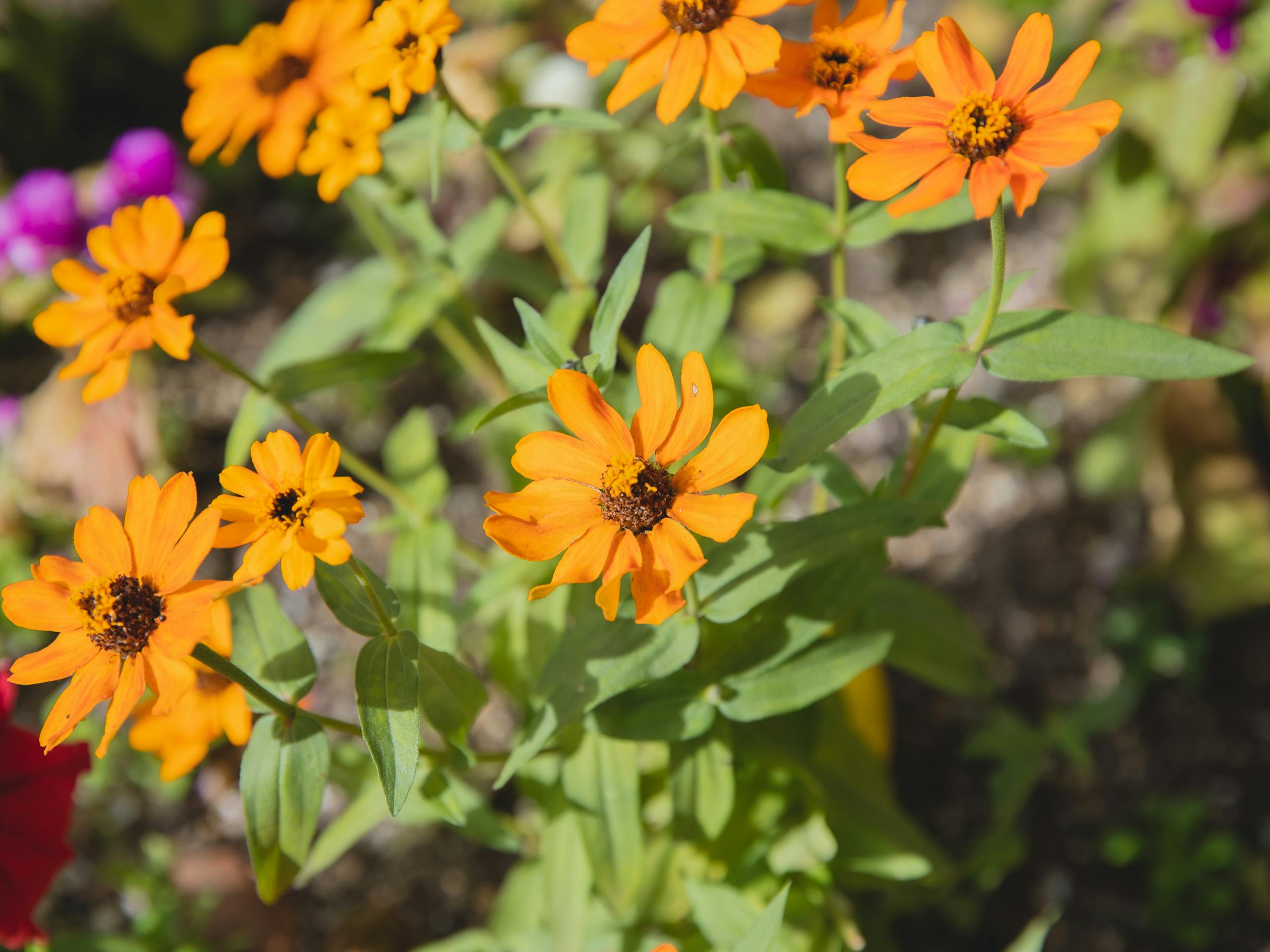
- Zinnias
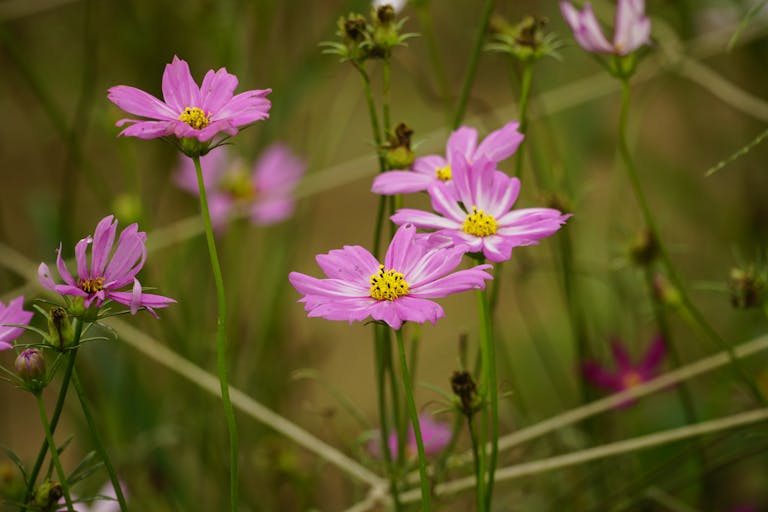
- Cosmos
- Marigolds
- Sunflowers
- Daffodils and tulips
- Lavender
Start with just a few plants. You can always expand later — and trust me, you probably will.
Step 5: Prepare Your Soil (Don’t Skip This)
Good soil solves more problems than almost anything else.
For an in‑ground garden:
- Clear weeds and grass
- Loosen the top 6–8 inches of soil
- Mix in compost (bagged is totally fine)
- Break up large clumps
- Smooth the surface and plant
For containers:
- Use a quality potting mix — not topsoil, not garden soil
Healthy soil = healthier plants, better growth, and fewer headaches.

Step 6: Plant with a Plan (Not Just Vibes)
This is where beginners tend to go rogue and then wonder why nothing fits.
Before planting, think about:
- Height: tall plants in back, shorter in front
- Spacing: plants need room to breathe
- Color and texture: especially if you love a cottage‑garden look
- Bloom times: so something is always happening
You don’t need to be a landscape designer. Just pause, think it through, and plant intentionally. Even if you’re going the cottage garden route… having a simple plan will help.
Step 7: Water the Right Way
Plants don’t need constant attention — they need consistent care.
A few simple rules:
- Water deeply, not lightly
- Morning watering is best
- Avoid soaking leaves
- Soil should be moist, not soggy
Watering twice a day “just in case” usually causes more problems than it solves. Ask me how I learned that.


Step 8: Be Patient with the Process (This Is the Real Lesson)
Gardening will teach you things you didn’t expect:
- Patience
- Flexibility
- How to pivot when weather, wildlife, or your own decisions don’t cooperate
Some plants will fail. Others will thrive. Every season, you’ll learn something new.
That’s not a flaw — that’s what makes it so much fun.
Wrapping It All Up
Starting your first garden isn’t about perfection. It’s about planting something and paying attention. You’ve got this!
Once you:
- Know your zone
- Choose the right spot
- Start with beginner‑friendly plants
- Give them decent soil and consistent water
You’re already ahead of most beginners.
Your garden doesn’t need to be big to be beautiful. It just needs you — your curiosity, your creativity, and your willingness to try.
And before long, you’ll be the one saying to someone else:
Trust me. If I can grow this, you absolutely can too.